The Arkansas Trav'ler
Pitmaster Gazette · Championship BBQ Edition
How-To Guide
A great BBQ rub is the difference between ribs that taste like meat with seasoning on top and ribs that taste like championship barbecue. The rub is where flavor lives. It’s where the bark forms. It’s the layer that separates the bone from the world.
This is the complete pitmaster’s guide to BBQ rub for ribs — what’s actually in a great rub, how to apply it, how to time it, and what to look for in a store-bought one if you don’t want to mix your own.
What is a BBQ rub?
A BBQ rub is a dry mix of salt, sugar, and spices that you apply to meat before smoking. The salt seasons the meat, the sugar helps with bark formation and caramelization, and the spices add flavor and color.
A great rib rub does five things at once:
- Seasons the surface and (over time) the interior of the meat
- Forms a bark — the dark, crusty exterior layer that’s the signature of great BBQ
- Adds color — paprika and chili powder give ribs that mahogany glow
- Balances the natural fattiness of pork with sugar, acid, and warmth
- Holds the smoke — the rub layer absorbs and concentrates smoke flavor
If your rub isn’t doing all five of those things, it’s not the right rub.
What’s in a great BBQ rub for ribs?
Most championship rib rubs are built around a similar set of building blocks. The proportions and the small additions are what make each rub distinctive.
The base (about 60-70% of the mix)
- Brown sugar — caramelizes during the cook to form the bark. Provides the foundation of bark color.
- Kosher salt — the seasoning. Use kosher, not table salt — the bigger crystals adhere better and dissolve more slowly.
- Paprika — the color. Use sweet paprika for color and flavor; smoked paprika for additional depth.
The aromatics (about 20-25%)
- Garlic powder — savory base
- Onion powder — savory base
- Black pepper — bite and warmth (use coarse-ground for visible texture and pop)
The warmth and complexity (about 10-15%)
- Chili powder — earthy heat without overwhelming
- Cumin — smoky, warm, complex
- Mustard powder — adds tang and helps the rub crust
- Cayenne — for heat (use sparingly)
The signature touches (1-5%)
This is where rubs differentiate themselves. Most pitmasters add one or two “secret” ingredients that make the rub theirs:
- Coffee grounds (for smokey-bitter bark depth)
- White sugar in addition to brown (for additional caramelization)
- Celery seed (for an old-school Southern touch)
- Coriander (for citrusy brightness)
- MSG or chicken bouillon powder (for umami punch — controversial but used in many comp rubs)
- Ground ginger (for subtle warmth)
- Allspice (for backyard-BBQ nostalgia)
How to apply a BBQ rub to ribs
Step 1: Remove the membrane
Always pull the silverskin off the bone side first. (See our How to Smoke Ribs guide for the technique.) The rub can’t penetrate the membrane, so leaving it on means a flavorless bone side.
Step 2: Use a binder
A thin layer of yellow mustard, olive oil, or hot sauce brushed on the meat helps the rub stick. The mustard cooks off and you won’t taste it. Some pitmasters skip this step and apply rub directly to dry meat — that works too, especially if you have time to let the surface moisture pull the rub in.
Step 3: Apply generously and evenly
Sprinkle the rub from about 8-12 inches above the meat. This gives you even coverage and lets the rub fall in a fine layer instead of clumping. Cover both sides — bone side first, then meat side last.
How much? About 1 tablespoon per pound of meat is a good starting point. For a 4-pound rack of ribs, that’s roughly 4 tablespoons total. You want full coverage, but you should still be able to see some pink meat through the rub. A thick crust isn’t a goal — even penetration is.
Step 4: Let it rest before smoking
Once rubbed, let the ribs sit at room temperature for at least 30 minutes. The rub will start to dissolve into the surface moisture and form a wet paste — the beginning of the bark.
Some pitmasters rub ribs the night before and refrigerate overnight. This deepens the flavor and lets the salt act like a partial dry brine. It also makes the surface a little tackier, which helps with bark formation. If you have the time, do it.
Step 5: Don’t mess with it during the cook
Once the ribs are in the smoker, leave the rub alone. Don’t dust on more in the middle of the cook. Don’t worry if it looks darker than you expected — that’s the bark forming, not the rub burning.
Hickory vs. Original: which BBQ rub for ribs?
This is a question we get a lot, and the honest answer is: both work, and the choice is about flavor preference, not pork part.
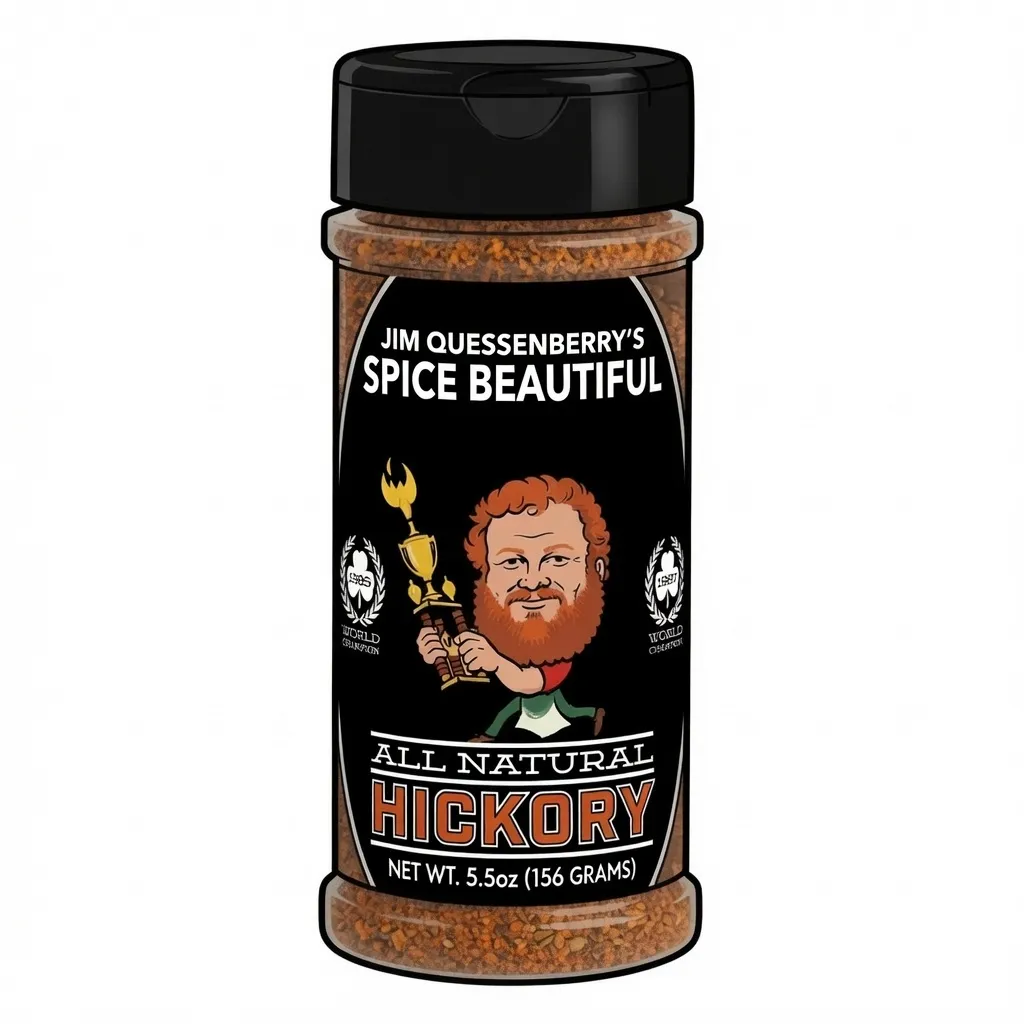
Spice Beautiful Hickory is a darker, smokier rub built around hickory smoke notes and a touch of additional brown sugar. It develops a deeper, almost mahogany-black bark, and it pairs especially well with ribs and brisket. If you want classic, deep, traditional Southern BBQ flavor, this is the move.
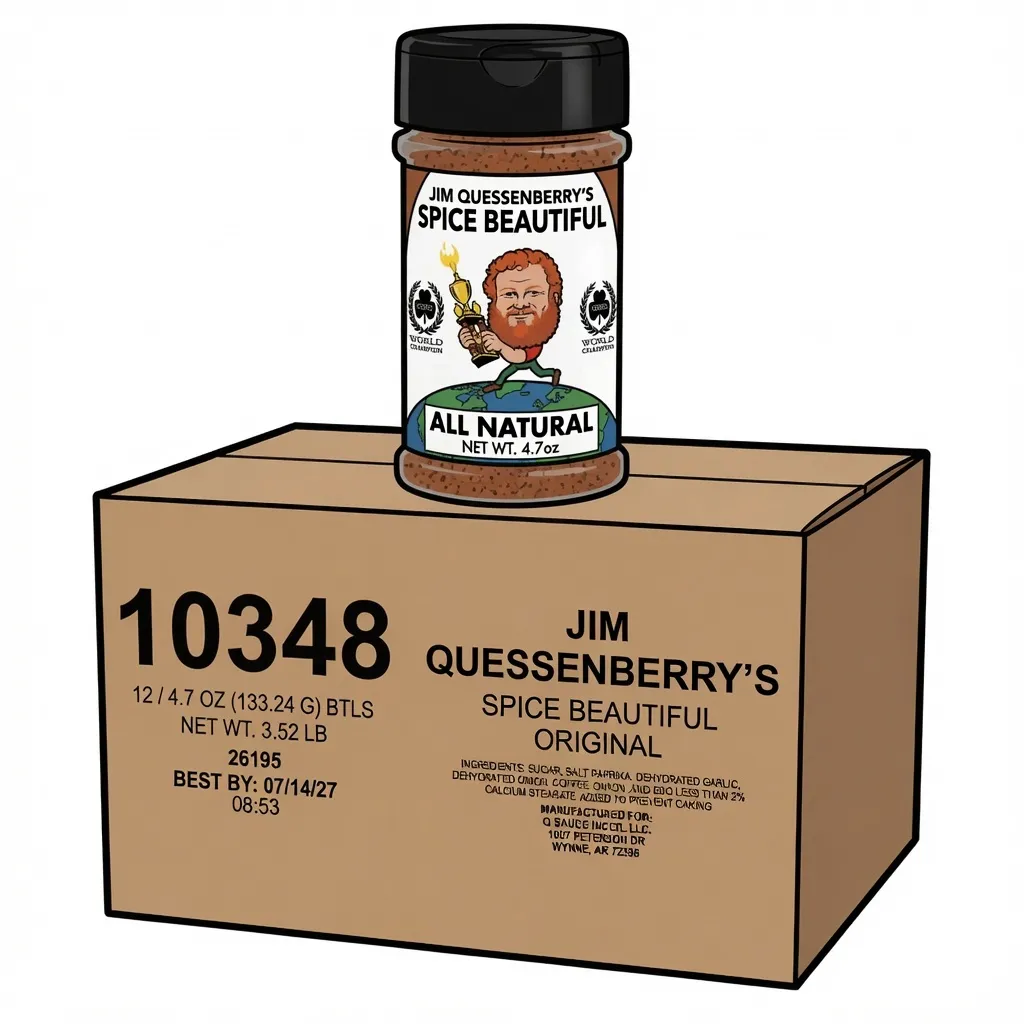
Spice Beautiful Original is the all-purpose championship rub Jim built first. It’s brighter, more balanced, slightly sweeter, and it works on everything — chicken, pork, beef, even vegetables. If you cook a lot of different proteins and want one rub that does the job, this is it.
For ribs specifically: start with Hickory if you like a deep, smoky bark. Try Original if you want a brighter, more balanced finish.
Should you make your own rub or buy one?
Make your own if:
- You enjoy the process of dialing in a recipe
- You have an unusual flavor profile in mind (like a coffee rub or a Carolina-style mustard rub)
- You go through enough rub to justify buying a dozen spices in bulk
- You want to control salt and sugar levels for dietary reasons
Buy a quality pre-mixed rub if:
- You want consistency batch to batch
- You don’t want to source 12 spices and balance them yourself
- You want a rub that’s been tested and refined over years (or decades)
- You want to save the time and just cook
A great commercial rub from a real pitmaster — not a mass-market spice company — gives you the work of a lifetime of trial and error in one bottle. That’s what Spice Beautiful is. Jim Quessenberry spent decades on the competition circuit dialing it in. The recipe hasn’t changed since.
What to avoid in a store-bought rib rub
- Too much salt — if salt is the first ingredient and the rub tastes salty before you put it on anything, the meat is going to be over-seasoned. Look for sugar, paprika, or a spice blend in the first ingredient slot.
- MSG without disclosure — some commercial rubs use MSG or autolyzed yeast extract for umami. Not necessarily bad, but if you don’t want it, look for it.
- Mystery “natural flavors” — vague labeling usually means the manufacturer doesn’t want to tell you exactly what’s in there.
- Old rub — spices lose potency. If a rub has been sitting on a shelf for two years, it’s not going to perform like fresh.
The Quessenberry method, in one paragraph
Pull the membrane off the bone side. Brush with yellow mustard. Rub generously with Spice Beautiful Hickory on both sides. Let rest 30 minutes. Smoke at 225°F over hickory wood for 3 hours uncovered, 2 hours wrapped in foil with a splash of apple juice, and 1 final hour uncovered with Sauce Beautiful Original brushed on. Pull when the meat tests tender. Slice. Serve. Watch them disappear.
That’s it. That’s how Jim did it. That’s how his sons do it. That’s how you do it.
→ Shop Spice Beautiful Hickory — the championship rub for ribs
— End of dispatch · Hand-packaged in Arkansas —